Living in Redmond, WA: Pros, Cons, and 2026 Relocation Facts
Redmond, WA sits in King County, roughly 15 miles east of downtown Seattle, and it's known worldwide as the address of major technology campuses. If you're thinking about relocating here or buying a home in Redmond, WA, the short version is this: strong economy, genuinely good outdoor access, steep housing costs, and traffic that will test your patience on a regular basis.
Homes spend about 24 days on the market before selling. That's not a lot of time to make up your mind.
The Quick Verdict on Moving to Redmond
The median household income here is $162,560 - that number tells you a lot about who the local economy is built around and what the market expects from you as a buyer or renter. The overall cost of living runs 43% above the national average, and housing costs are roughly 95% higher than what most Americans pay. The median sale price as of mid-2026 is around $1,262,500.
That's the honest summary. Whether it works for you comes down to your budget, your commute tolerance, and how you feel about overcast skies from October through May.
What Works Here
The tech sector keeps unemployment low and salaries high. Trails and parks aren't an afterthought - they're woven into daily life in a way that's genuinely useful, not just a line in a brochure. State Route 520 gives you a direct shot into Seattle, even if rush hour makes you question every life choice. Downtown has real restaurants and retail, not just chains.
What Doesn't
The median home price is $1,262,500. That's the wall most buyers hit first. Traffic near major employment centers and on the 520 bridge is a daily reality, not an occasional inconvenience. Property crime - particularly motor vehicle theft - runs higher than the national average, so you'll want to take that seriously.
Who Tends to Stay
Tech professionals who want a short commute to Eastside campuses are the obvious fit. Buyers who want suburban density - newer homes, easier parking, access to open space - without living inside Seattle's core also land here comfortably, provided the budget holds up. The city also has a range of senior and assisted living facilities for residents whose housing needs change over time.
Location and County Basics
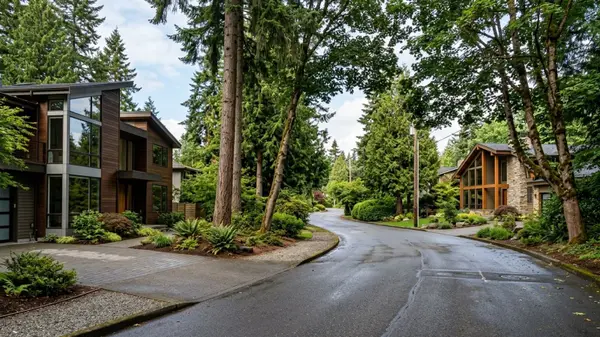
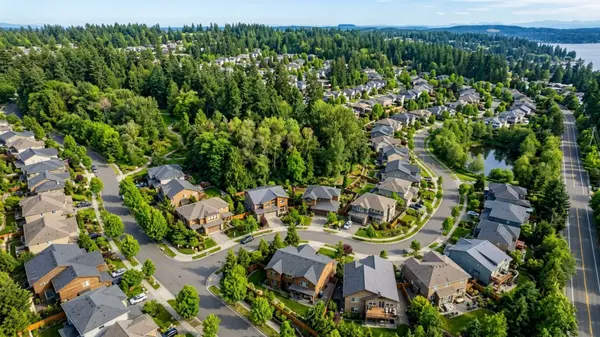
Redmond covers about 17 square miles in King County, bordered by Bellevue to the south and Kirkland to the west. That triangle forms the core of what people call the Eastside tech corridor. The northern edge of Lake Sammamish sits right there, which is why the recreational infrastructure - trails, parks, water access - is as developed as it is.
Being in King County means your tax dollars fund regional transit, including the expanding light rail network, and the county manages most of the larger regional parks and environmental protections that keep the area from feeling entirely suburban. That regional layer affects everything from zoning to public health services, and it's worth understanding before you buy.
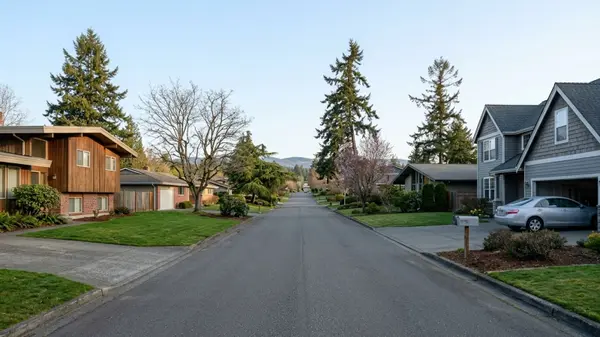
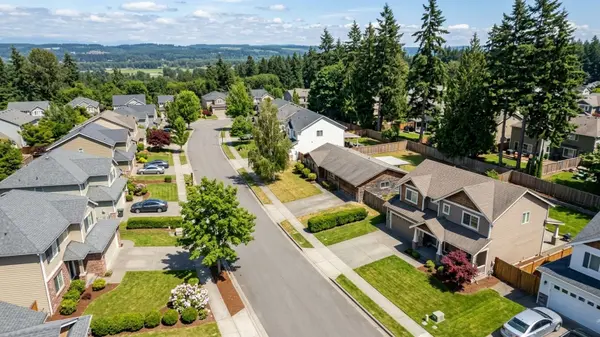
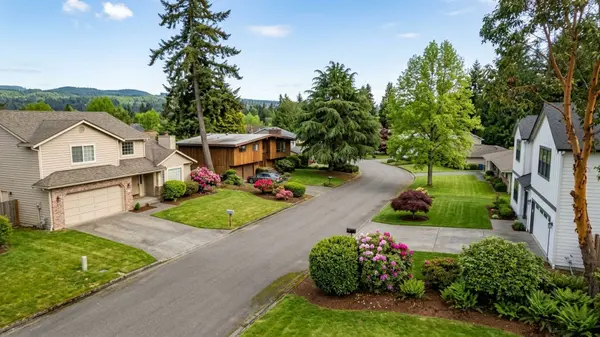
The current population sits around 82,199, with a median age of 35. The city has grown steadily over the past decade as the tech industry expanded and pulled in new workers. The layout stays distinctly suburban - commercial zones and residential zones don't bleed into each other the way they do in Seattle proper.
Crime Rates and Safety Data
The total crime rate in Redmond is 2,870.2 per 100,000 people, according to FBI data cited by HomeSnacks. That's about 35.44% above the national rate of 2,119.2 per 100,000. The headline number sounds alarming until you break it down.
Violent crime is actually well below average. Bestplaces reports a violent crime rate of 10.6, compared to a national average of 22.7 - your odds of being a victim of violent crime are 1 in 766.2. What's pulling the overall rate up is property crime. AreaVibes puts it at 55.7% above the U.S. average, and NeighborhoodScout specifically flags motor vehicle theft as one of the highest rates in the country. Lock your car. Don't leave anything visible inside it.
Areas like Overlake and downtown see heavy daytime foot traffic that thins out after dark, which correlates with higher petty theft reports. Residential areas such as Education Hill tend to be quieter with fewer reported property crimes. If you're evaluating a specific address, pull the local police blotter - it's worth the 20 minutes.
The Cost of Living and Housing
Redmond's cost of living index sits at 124.7% of the national average, which ranks it 18th out of 273 U.S. cities tracked by C2ER. Groceries and utilities both run higher here than in most of the country. Housing is what really moves the needle.
PayScale data shows local housing costs at 95% above the national average. As of mid-2026, the median sale price is around $1,262,500, with roughly 164 homes available and about a three-month supply on the market. Inventory is tight.
On the rental side, Zumper reports a median rent of $2,650 per month; Zillow puts it closer to $2,801 depending on the property type.
What You Need to Earn
For renters, a single person needs somewhere between $75,000 and $90,000 a year to cover rent and daily expenses comfortably. Two-adult households should be targeting $120,000 to $150,000. If you're buying, those numbers move up - single professionals generally need to clear $100,000, and multi-person households are often looking at $150,000 to $200,000 or more to carry a median-priced mortgage without stress.
Demographics and Income
The 2024 median household income in Redmond was $162,560 - well ahead of both state and national figures. That concentration of high earners shapes what the local retail and service economy looks like and what it costs. Local businesses price accordingly, and property taxes follow home valuations upward, so factor annual tax bills into your budget before you close.
The two largest demographic groups are White residents, at roughly 44.8% to 53.7% of the population, and Asian residents at 36.8% to 40.2%. Hispanic residents account for about 6.7% to 7.6%. Multiracial individuals represent 5% to 7%, and Black residents make up roughly 1.7% to 2.2%.
Climate, Amenities, and Daily Life
The Pacific Northwest climate is what it is - dry, warm summers and wet, overcast winters with steady rain from late fall through early spring. You're not getting heavy downpours so much as persistent grey. Most people either adapt or don't; there's not much middle ground.
Redmond sits in an active seismic zone. If you're buying, confirm the property is bolted to its foundation and look into earthquake insurance before you need it.
Wildfire smoke during late summer has become more frequent and can produce poor air quality for stretches of days. A lot of residents have added HEPA filtration or upgraded their HVAC systems because of it. Near Lake Sammamish, algae blooms occasionally restrict water activities, so check local water quality reports before swimming in warmer months.
Getting Outside
The Sammamish River Trail is the backbone of the local trail network - paved, well-maintained, and connecting parks across the area without putting you near traffic. Marymoor Park is the standout recreational space: velodrome, a large off-leash dog area, and a summer concert series. Downtown Redmond has independent restaurants, breweries, and retail shops that give the commercial core some actual personality.
Comparing Redmond to Seattle
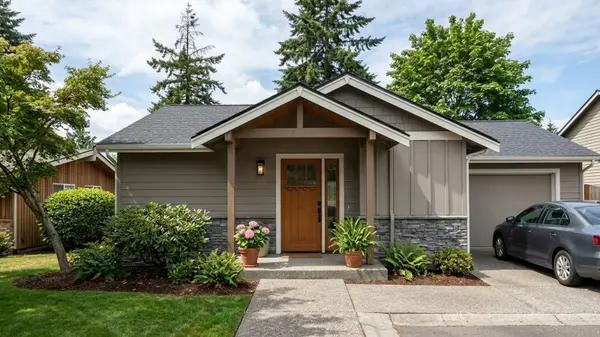
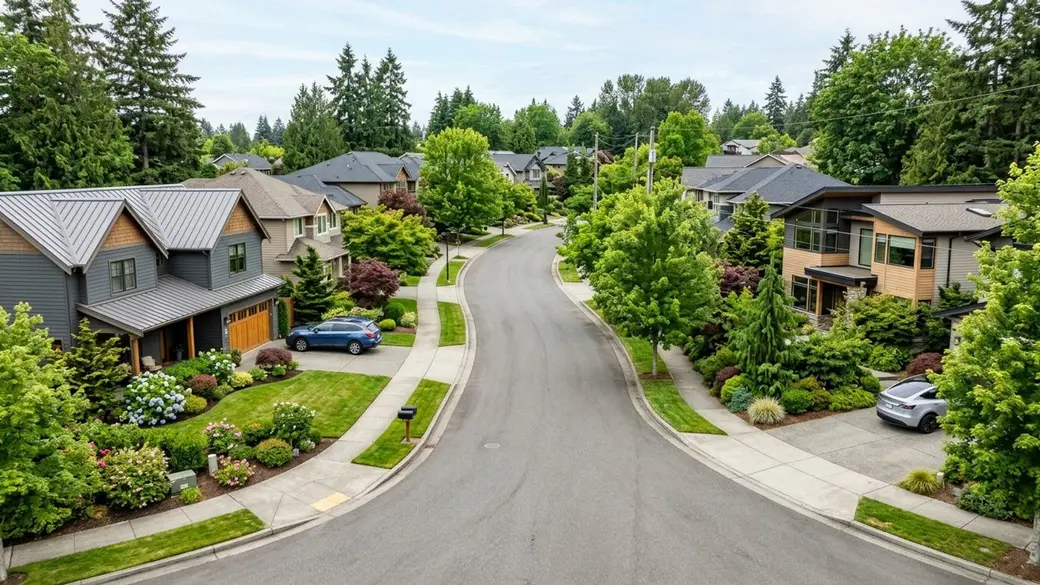
Redmond is quieter and more spread out than Seattle. Seattle has more in the way of nightlife, cultural institutions, and neighborhood variety - older housing stock, dense commercial corridors, distinct historic character. Redmond runs newer: planned subdivisions, townhomes, developments built in the last 20 to 30 years. Parking is generally easy and free in most of Redmond; in Seattle's commercial districts, you're paying for a garage or circling.
Getting between the two cities means crossing Lake Washington on either the 520 toll bridge or I-90. Traffic on those crossings sets the rhythm of daily life for anyone who works on one side and lives on the other. Without congestion, the 15-mile drive from Redmond to downtown Seattle runs about 25 minutes. Rush hour can easily double that.
On safety, both cities deal with high property crime - vehicle prowls and theft in particular. Redmond's violent crime rate is significantly lower than the national average and generally lower than Seattle's urban core.
Senior, Assisted, and Sober Living Options
Redmond's zoning accommodates multi-unit care facilities alongside traditional residential neighborhoods, so residents don't necessarily have to leave the area when their housing needs change. Senior living options range from independent 55+ apartment complexes to full-service assisted living centers, many with shuttle services to grocery stores and medical appointments. Costs reflect the broader cost of living here, so touring multiple facilities to compare amenities and care levels is worth doing before committing.
Sober living homes are also part of the local housing mix, offering structured, substance-free environments for people in recovery. House rules and community meeting participation are typically required. Options range from shared rooms to more private accommodations.
Frequently Asked Questions
What are the biggest downsides or complaints residents have about living in Redmond, WA?
The cost of housing and traffic congestion come up constantly. The median home price is around $1,262,500, and the 520 bridge during rush hour is a daily source of frustration. Motor vehicle theft is the other persistent issue - Redmond's rate is among the highest in the country according to NeighborhoodScout.
How does the cost of living and housing in Redmond compare to Seattle?
Both cities are expensive. Redmond's housing costs run 95% above the national average, and the market is dominated by higher-priced suburban homes and townhouses. Seattle offers more variety in its housing stock, including older condos at different price points, but neither city is affordable by national standards.
How long is the typical commute from Redmond to downtown Seattle during rush hour?
Without traffic, the 15-mile drive takes about 25 minutes. Rush hour on the 520 toll bridge can easily double that, and exact times shift depending on when you leave and what's happening on the road that day.
What are the best neighborhoods for families buying a home in Redmond, WA?
Education Hill is a well-known residential area - lower foot traffic, quieter suburban layout, fewer reported property crimes. Overlake offers closer proximity to major tech campuses and retail centers if that's a priority.
Is Redmond a good place to live for young professionals who don't work at Microsoft?
Yes, if the income is there to support it. A single person needs roughly $75,000 to $90,000 a year to live comfortably. The trails, parks, and downtown dining options are genuinely accessible - you don't have to work at a tech campus to use any of it.
Should I buy a house in Redmond or Bellevue, WA?
That comes down to what you're optimizing for. Both are affluent Eastside tech hubs with high median incomes. Bellevue has a larger downtown commercial core. Redmond gives you more immediate access to Lake Sammamish and Marymoor Park. Budget and commute will probably make the decision for you before lifestyle preferences do.
Categories
Recent Posts