Washington Seller Disclosure Rules: Form 17, Deadlines, and Requirements in Redmond
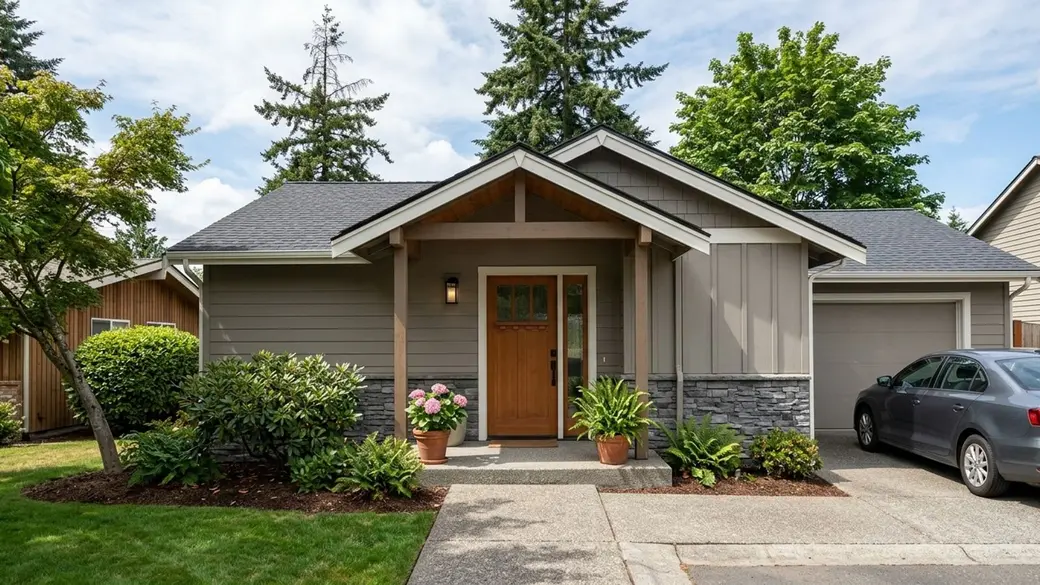
There is a lot at stake when selling a home in Redmond, WA. Homes in the area are currently selling at a median price of roughly $1.34 million. That's not a small number for either side of the table, and buyers at that price point want to know exactly what they're getting into before they sign anything.
Washington State law requires sellers to hand over a detailed written statement about the property's condition before the sale becomes final. Done right, it helps buyers make informed decisions and gives sellers meaningful protection from post-closing headaches. Understanding how it all works keeps the deal moving toward closing instead of sideways.
What a Seller Disclosure Statement Is and How It Works
The standard document for this in Washington is Form 17 - officially the Real Property Transfer Disclosure Statement. It applies to improved residential real property and works like a formal questionnaire: the seller goes through a series of yes, no, or "don't know" questions about the home's condition.
Sellers only have to disclose defects they know about at the time of sale. They're not required to hire an inspector or go digging for hidden issues just to complete the paperwork. The form captures the owner's firsthand knowledge of the property's current state - nothing more, nothing less.
When a seller checks "yes" on a defect, they'll typically need to add a brief explanation or attach repair receipts. That way the buyer gets a clear picture of how the issue was handled, or what's still waiting for attention.
Why Form 17 Protects Both Parties
For buyers, the disclosure form provides a baseline history of the home - recent repairs, ongoing maintenance issues, past water damage that wouldn't show up on a casual walkthrough. It's the kind of context that a showing simply can't give you.
For sellers, filling it out accurately is what keeps them out of court after closing. If a buyer finds a problem six months after moving in, the seller can point to the disclosure and show they were upfront. That paper trail matters.
Washington Real Estate Disclosure Laws and Seller Obligations
The legal framework here is RCW 64.06, which governs real property transfers in Washington State. RCW 64.06.020 specifically dictates the exact format and content the disclosure statement must include.
Sellers are required to give honest, accurate answers based on their current knowledge. Intentionally hiding a known material defect isn't just bad faith - it violates state law. The disclosure statement is a legally binding representation of what the owner knows.
One thing that trips people up: even if a home is being sold "as-is," the seller is generally still required to provide Form 17. An "as-is" clause tells the buyer the seller won't make repairs. It doesn't erase the legal duty to disclose known problems.
Exemptions to the Disclosure Rule
Not every transaction requires a Form 17. Common exemptions include bank foreclosures, transfers between family members, and sales where the seller has never occupied the property - an estate sale, for example.
If you're buying an exempt property, understanding the home's condition is up to you. No seller disclosure means your independent inspections carry all the weight.
Penalties for Failing to Disclose
If a seller intentionally conceals a known defect, the buyer can pursue legal action for fraud or misrepresentation. That typically means the seller ends up paying for repairs and the buyer's legal fees - a far worse outcome than just being transparent at the start.
A buyer who uncovers a hidden defect before closing also has the right to walk away from the deal entirely.
Understanding Non-Disclosure States vs. Property Condition Disclosure
Some states keep final sale prices off the public record. Washington isn't one of them.
In King County, property sale prices are publicly recorded and accessible through the county assessor's office. Anyone can look up what a home in Redmond sold for after the transaction closes. That's a separate matter from the condition disclosures covered by Form 17 - the sale price is public, while the disclosure statement stays private between the parties involved.
Completing the Real Property Disclosure Form
The Washington seller disclosure statement works through several specific categories. Sellers answer questions about title, water supply, and sewer systems. They also address the structural side of things - known issues with the roof, foundation, plumbing, and electrical. Flooding or drainage history goes here too.
Environmental hazards and HOA details round out the form. If the property is in a Redmond neighborhood with a homeowner association, the seller has to provide information about dues and community rules.
Handling Known Defects and Past Repairs
Sellers should list any major repairs completed during their ownership - roof replacement, a fixed basement leak, anything significant. And if you have documentation, include it. A clear repair history tells a buyer that the home has been looked after, which tends to build more confidence than a spotless form with no history at all.
Delivery Deadlines and Transaction Timing
The timing rules come straight out of RCW 64.06.030. A seller must deliver the completed Form 17 to the buyer within five business days of mutual acceptance of the purchase and sale agreement.
That window only shifts if the buyer expressly waives their right to receive the form, or if both parties agree in writing to a different schedule. Miss the deadline, and you've handed the buyer an opening to cancel the contract.
Redmond homes are currently spending a median of roughly 23 days on the market. Things move fast. The sellers who avoid delays are almost always the ones who fill out the disclosure form before they list - so it's ready the moment an offer comes in.
The Buyer Rescission Window
Once the buyer receives the completed disclosure statement, they have three business days to review it. During that window, they can rescind the purchase agreement for any reason tied to the form's contents.
To cancel, the buyer must deliver a separately signed written rescission notice to the seller or the seller's agent. If three days pass with no notice, the buyer has officially accepted the disclosure.
That three-day window is a sensitive stretch in any transaction. Buyers should read the form promptly and loop in their inspector on anything that raises a question.
Frequently Asked Questions About Washington Seller Disclosures
Is Washington a non-disclosure state?
No, Washington is not a non-disclosure state. Final property sale prices are public record and recorded by the King County assessor. That public pricing is separate from the private property condition disclosures required by Form 17.
What must a seller legally disclose in Washington?
Under RCW 64.06, sellers must disclose all known material defects regarding the property's condition. That includes issues with the title, water, sewer, structural systems, and environmental hazards outlined in Form 17.
When is the seller property disclosure due in Washington?
The seller must deliver the completed Form 17 within five business days of mutual acceptance of the purchase agreement. That timeline applies unless both parties agree in writing to a different schedule, or the buyer expressly waives the right.
Are there specific local disclosures required when selling a house in Redmond, WA?
Sellers in Redmond use the standard Washington State Form 17. If the home is part of a local Homeowner Association, the seller must also disclose the HOA dues and rules as prompted by the state form.
What happens if a seller hides a known property defect from a Redmond buyer?
Hiding a known defect violates state law and can lead to legal action for misrepresentation or fraud. The buyer may have the right to cancel the purchase or sue the seller for repair costs and legal fees.
Are any types of property sales exempt from providing a seller disclosure in Washington?
Yes. Common exemptions include bank foreclosures, transfers between family members, and sales where the seller has never occupied the property.
Categories
Recent Posts