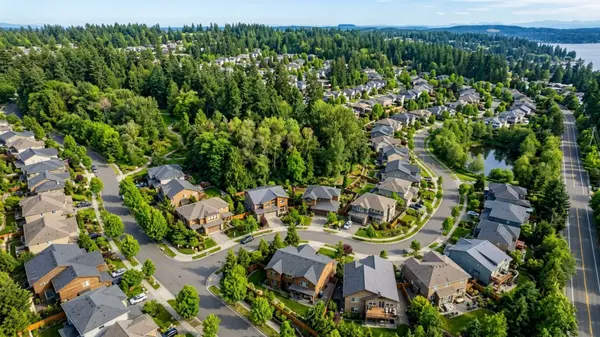
What to Know When Comparing Redmond, WA vs Boston Real Estate
Professionals relocating for work tend to land on these two markets for an obvious reason - both are major technology hubs, just on opposite ends of the country. Making that move, whether you're heading from the East Coast to the Pacific Northwest or doing it in reverse, means adjusting to different housing styles, different tax structures, and a completely different daily rhythm. Those heading west will need to weigh the pros and cons of living in Redmond, WA.
Both regions run on strong economies built around tech and biotech. But before you book a flight between Seattle-Tacoma International Airport (SEA) and Boston Logan International Airport (BOS), you need to understand what these housing markets actually look like heading into 2026.
Why Buyers Compare Redmond and Boston
Most of the buyers I talk to who are weighing these two cities are being moved by their employer - software, life sciences, engineering. The transfer lands them in one city, and they're trying to figure out what they're walking into. Boston is dense, historic, and unambiguously urban. Redmond is suburban and nature-forward, sitting just outside Seattle with a pace that feels nothing like a major coastal city.
Choosing between them isn't just about square footage and list price. You have to account for property taxes, state income tax policy, and the overall cost of living in two of the country's most expensive regions. The sticker price on a home is where the conversation starts, not where it ends.
Comparing the Housing Markets
Real estate in both areas commands a serious premium. That's the honest starting point. What differs is the inventory, the architectural character, and what your dollar actually buys you depending on whether you want a single-family home or a condo.
Median Home Prices
In Redmond, WA, the median home sale price sits at roughly $1.26 million. Homes are spending about 24 days on the market, active inventory runs around 164 homes, and listings are closing at about 98% of asking. Some closed sales data from the Northwest Multiple Listing Service for summer 2026 pushes that median closer to $1.36 million, depending on the specific neighborhood mix.
Boston's overall median comes in a bit lower. As of mid-2026, the median home price in Boston is roughly $875,000, with single-family homes specifically landing around $890,500. Zoom out to the broader Greater Boston region, though, and the median single-family sale price climbs to approximately $1.03 million.
Common Property Types
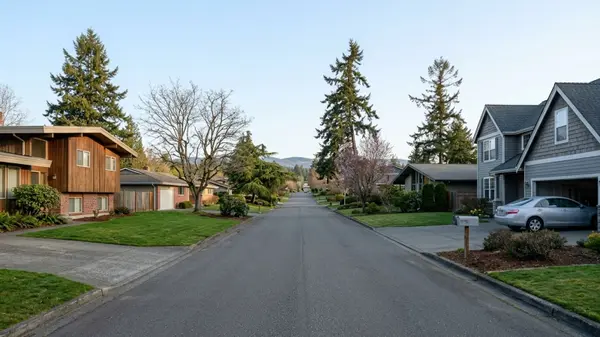
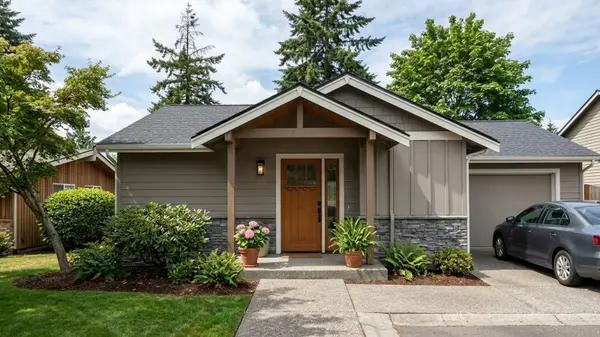
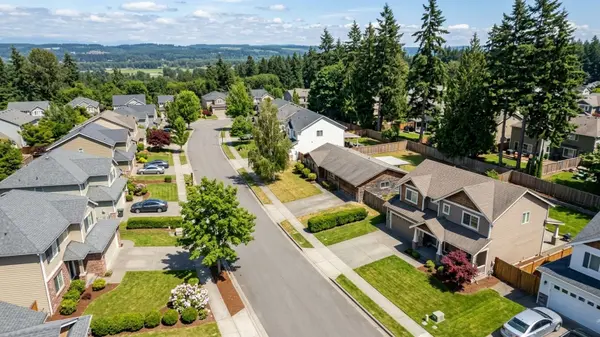
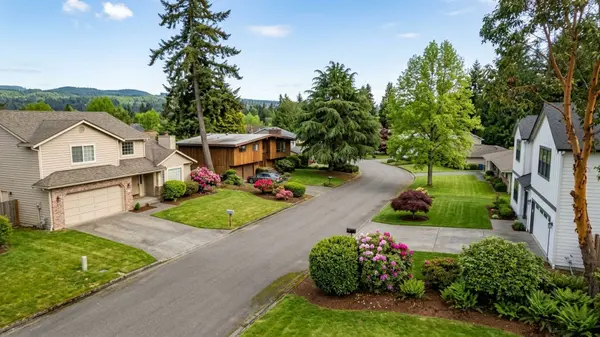
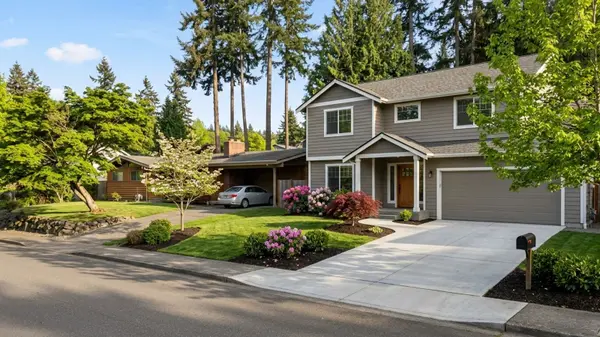
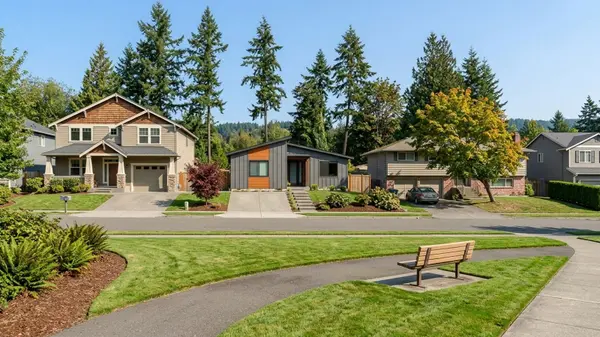
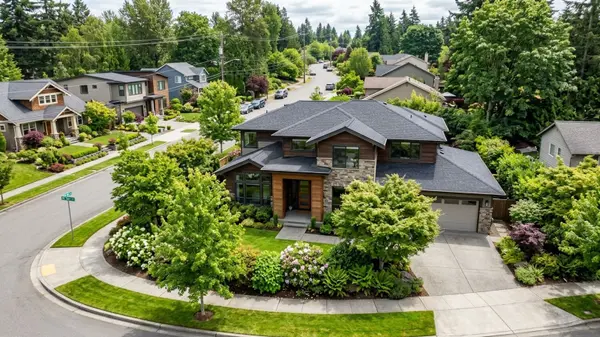
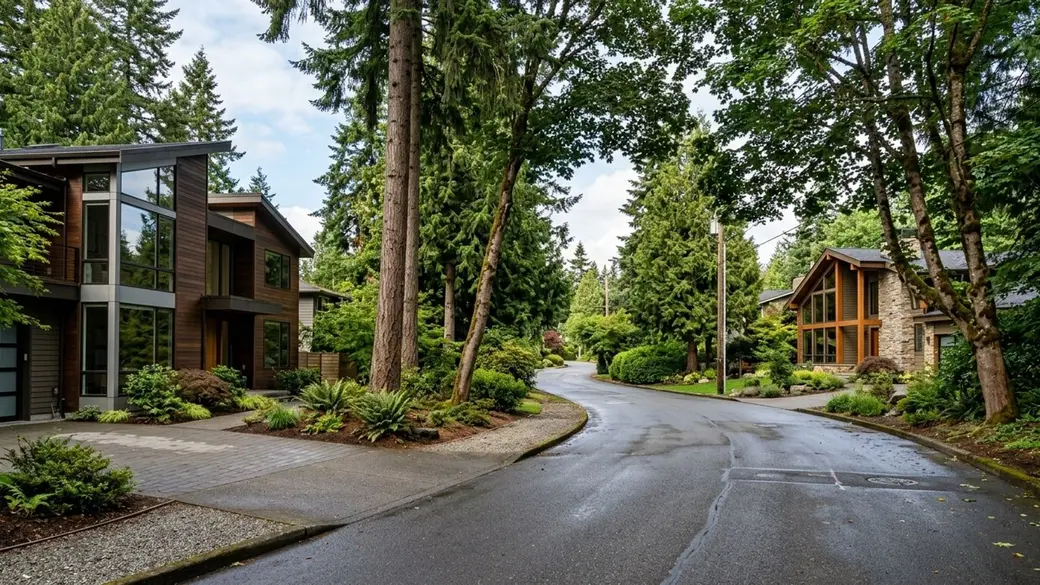
Redmond's inventory leans heavily toward Pacific Northwest contemporary construction - large windows, designs that work with the surrounding evergreen landscape rather than against it. It's newer stock.
Boston is a different world. You're looking at historic brownstones, older multi-family properties, and urban condos. If century-old architecture appeals to you, Massachusetts has plenty of it. If you're moving from New England to Washington state, the newer construction out here will feel like a real departure.
Cost of Living and Tax Differences
Housing prices are only part of what changes when you relocate between these two states. Washington and Massachusetts take genuinely different approaches to taxation, and that gap matters for your monthly budget.
The biggest structural difference is this: Washington state does not have a state income tax. For a professional relocating from Massachusetts, that's not a small thing.
Property Taxes
King County's effective property tax rate in Washington runs roughly 0.82% to 0.99% of a home's assessed value - translating to a median annual county tax bill of about $7,300 to $7,644. Washington State law generally caps non-voter-approved property tax rates at 1% of assessed value, though voter-approved levies can increase the total.
Boston operates on a different scale. For FY2026, the City Council approved a residential rate of $12.40 per $1,000 of assessed value, which works out to about 1.24%. That represents a roughly 13% increase from the previous year. Owner-occupants can apply for a 35% residential exemption, which helps lower the bill.
Everyday Expenses
The precise cost of living gap depends on which source you're looking at - they don't agree. BestPlaces data suggests Boston is about 20.6% cheaper than Redmond. Salary.com reports the opposite, putting Redmond's cost of living roughly 7% lower than Boston's. What Salary.com does say clearly, regardless of that comparison, is that Redmond sits about 43% above the national average. You should prepare for high everyday costs in either location.
Travel Logistics Between the Coasts
Moving across the country means managing a significant time zone adjustment, and plenty of buyers I work with aren't making a clean break - they're splitting time between both coasts while the transition plays out. That means regular flights between Seattle-Tacoma International Airport (SEA) and Boston Logan International Airport (BOS), shipping belongings across the country, and building those travel costs into a realistic relocation budget.
It's a lot of moving parts. Factor it in early.
Lifestyle and Local Amenities
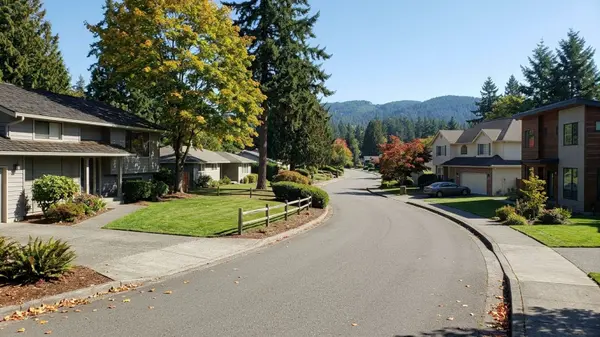
The daily experience in Redmond and Boston really don't resemble each other. Redmond is suburban with immediate access to outdoor recreation - Marymoor Park, the Cascade Mountains for hiking and skiing. The landscape is part of the lifestyle in a way that doesn't have an East Coast equivalent.
Boston delivers centuries of history woven into a walkable, dense urban streetscape. The amenities are concentrated and close. You're choosing between two genuinely different ways of living, and neither one is a compromise version of the other.
Frequently Asked Questions
How does the cost of buying a single-family home in Redmond, WA compare to the Boston metro area?
Redmond is generally more expensive for single-family homes. The overall median home price in Redmond sits around $1.26 million. Boston's median single-family home lands at roughly $890,500, though the broader Greater Boston region reaches about $1.03 million for a single-family property.
What are the property tax differences when relocating from Massachusetts to Redmond, WA?
Boston's FY2026 residential property tax rate is $12.40 per $1,000 of assessed value, with a 35% residential exemption available to owner-occupants. King County's effective rate runs lower, from 0.82% to 0.99% of assessed value. Washington also doesn't charge a state income tax.
Which neighborhoods in Redmond offer a walkable, urban feel similar to Boston suburbs?
Redmond's character is predominantly suburban and nature-focused - it doesn't replicate the dense, historic urban environment you'd find in Boston. Residents have access to amenities like Marymoor Park, but the overall layout runs toward Pacific Northwest contemporary developments rather than walkable historic centers.
Does the home buying and closing process in Washington state differ from how it works in Boston?
Yes - real estate laws and closing procedures vary between Washington and Massachusetts. Work with a local agent in whichever market you're buying in to understand the specific contract timelines and requirements.
Why do so few houses in Redmond, WA have basements compared to homes in New England?
It comes down to regional building traditions. Redmond's inventory is dominated by Pacific Northwest contemporary construction, which follows different conventions than the historic brownstones and older multi-family properties common in Boston.
What is the biggest mistake Boston transplants make when bidding on a house in Redmond's tech-driven market?
Assuming they have time. Redmond listings sell in roughly 24 days and frequently close at about 98% of list price. That's not a market where you sit back and wait.
Categories
Recent Posts