Comparing Real Estate in Redmond, WA vs. Redmond, OR
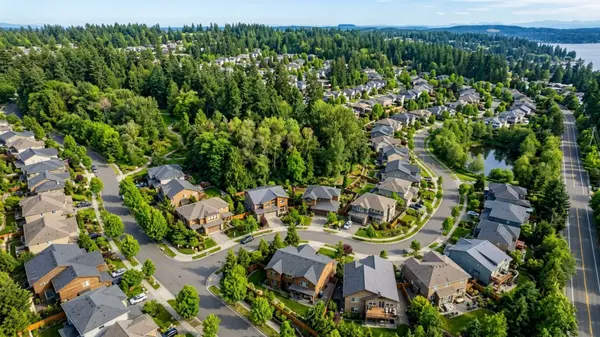
If you've been searching for properties in the Pacific Northwest, you've probably hit this snag already: listings for Redmond, WA and Redmond, OR showing up side by side. Same name, completely different markets. Redmond, Washington is a major tech hub in King County. Redmond, Oregon sits in the high desert of Central Oregon with a fraction of the population density. The pros and cons of living in Redmond, WA differ entirely from the Oregon experience.
If your job or lifestyle puts you in the Seattle metro area, you're looking exclusively at the Washington market. Knowing the local inventory, pricing trends, and commute patterns is where that search actually starts. This guide covers what buyers and renters are facing in Redmond, WA as of late 2026.
Current Real Estate Market Trends in Redmond, WA
The median home sale price in Redmond, WA sits at roughly $1,262,500 as of mid-2026 - down about 2.7% year-over-year, which gives buyers a bit more room than in previous cycles. Properties are still moving. The median days on market is hovering around 24, and homes are selling for nearly 98% of list price on average.
Buyers currently have about 164 homes to choose from, which works out to a three-month supply of inventory. About 13% of listings close above asking, so you should go in prepared for occasional competition. It's competitive, but not the frenzy of a few years ago.
Buying a Home Versus Renting in Redmond, WA
Renting here costs considerably more than the national average. As of August 2026, the average rent across all property types runs about $3,350 per month, though some platforms like RentCafe report figures closer to $2,592. That spread reflects how differently various sources track the data - and it reflects the high demand that comes with proximity to major Eastside employers.
Purchasing a median-priced $1.26 million home means a substantial down payment, a strong credit profile, and a clear-eyed look at King County's median effective property tax rate of about 0.84% of the home's value. On a typical Redmond property, that annual tax bill adds thousands to your yearly housing expenses before you've touched anything else.
Comparing Rent and Mortgage Costs
Renting keeps your monthly costs predictable. Tenants paying around $3,300 a month sidestep property taxes, homeowners insurance, and association dues entirely. For anyone who might relocate within a few years or wants to test different neighborhoods before committing, that flexibility matters.
Mortgage payments on a million-dollar property will easily exceed average rental rates. You're covering principal, interest, taxes, and insurance - which locks in a higher monthly baseline from day one. The trade-off is that a fixed-rate mortgage stabilizes your base housing cost over time, while rent tends to climb annually.
Long-Term Financial Considerations
Real estate in King County has historically functioned as a strong long-term asset. As you pay down your loan and the property appreciates, you build equity you can eventually roll into a larger home or redirect toward retirement.
Renters don't capture that appreciation, but they keep their down payment capital liquid. Depending on where those funds go instead, the financial outcomes can look very different. Your timeline and how stable your career situation feels right now should drive that decision more than anything else.
Deciding Between Condos, Townhomes, and Single-Family Homes
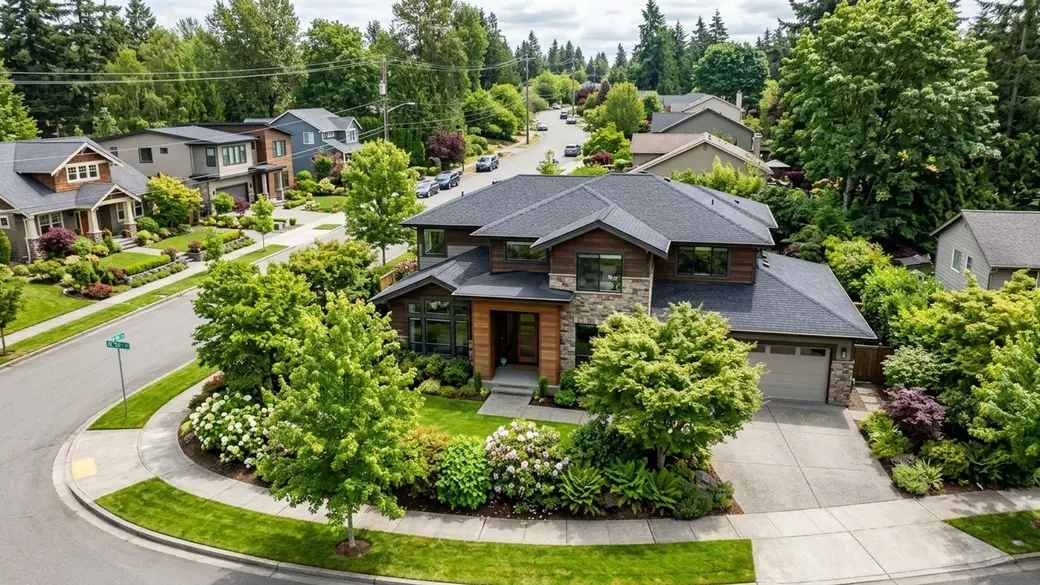
Redmond offers a real range - dense urban condominiums on one end, single-family homes with private yards on the other, with townhomes somewhere in between. Condos and townhomes tend to come in at a lower entry price, which makes them a common starting point for first-time buyers. Single-family homes command the highest prices and give you the most privacy.
What you choose directly shapes your monthly budget and your daily routine. Attached housing usually includes shared amenities; detached homes put everything - roof, landscaping, mechanicals - squarely on you.
HOA Fees
Many condos and townhomes in Redmond carry HOA fees ranging from $300 to $600 per month. Newer developments with extensive community facilities can run higher. Across King County, the median monthly HOA fee is about $495.
Those dues need to go into your debt-to-income ratio when you're applying for a mortgage - lenders count them. They cover exterior maintenance, common area upkeep, and master insurance policies. Before you close, review the association's financials carefully. An underfunded reserve means a special assessment somewhere down the road.
Property Maintenance
Single-family homeowners handle everything independently. Gutters, lawn care, eventual roof replacements - it all lands on you, which means you need a real emergency fund, not just a conceptual one.
Condo and townhome owners push most exterior maintenance to the HOA. That saves time and physical effort, but you're paying for it through monthly dues whether you need the service that month or not. Interior repairs and appliance updates stay your responsibility regardless of property type.
Comparing Education Hill, Overlake, and Nearby Bellevue
Where you land within the Eastside shapes both your price point and how your days actually run. Education Hill is in northern Redmond - residential, established parks, winding streets. Overlake sits further south, closer to the Bellevue border, and functions as a major commercial center.
A lot of buyers broaden their search to include neighboring Bellevue, which has a larger downtown core and higher density. Bellevue generally carries higher median home prices, but puts you immediately adjacent to major corporate headquarters and retail. Each area pulls for different commuting preferences.
Commute Times and Transit Options
Getting around the Eastside runs through State Route 520. If you're in Overlake, you're right there - trips into Seattle or downtown Bellevue are faster. Education Hill means a slightly longer drive to reach the highway network.
Transit is expanding. The Link Light Rail extension connects Redmond directly into the broader regional system, which makes neighborhoods near future stations worth a closer look if you'd rather take a train than sit in traffic.
Local Amenities
Overlake is dense - retail, grocery stores, large tech campuses, restaurants within walking distance or a short bus ride. It moves at a faster pace than the rest of the city.
Education Hill is quieter, with easier access to trails and community parks. Shopping means a short drive down the hill into downtown Redmond. If you want immediate retail access, Overlake makes more sense. If you want outdoor space and a slower pace, look north.
Frequently Asked Questions
How much more expensive is it to buy a house in Redmond, WA compared to Redmond, OR?
Redmond, WA is a major Eastside tech hub with a median home price around $1.26 million. While specific pricing for Redmond, OR isn't detailed here, the Oregon market generally offers lower housing costs than King County. Buyers relocating to Washington should expect much higher overall expenses.
How do property taxes and state tax benefits compare for homeowners in Redmond, Washington versus Oregon?
Homeowners in King County, Washington face a median property tax rate of about 0.84%, but Washington has no state income tax. Oregon charges a state income tax, which changes the overall financial picture. Buyers should consult a tax professional to see how those differing state structures play out for their specific income.
How can I ensure my online real estate searches only show listings for Redmond, WA and not Oregon?
Always include the "WA" state abbreviation in your search bar. Setting a minimum price filter also helps - the $1.26 million median price in Washington naturally separates it from many Oregon properties. Most real estate portals also let you draw custom boundary maps around King County.
Do homes historically appreciate faster in the Redmond, WA tech corridor or the Redmond, OR high desert?
The Redmond, WA tech corridor has a long track record of strong appreciation driven by high-paying jobs and limited housing inventory. There's currently a slight 2.7% year-over-year dip, but long-term equity growth in King County remains robust. The Oregon market follows different economic drivers - more tied to recreation and remote work.
What are the main differences in climate and outdoor lifestyle when choosing between the two Redmonds?
Redmond, WA has a damp, temperate Pacific Northwest climate with access to dense evergreen forests and Puget Sound. Redmond, OR sits in the high desert - drier, sunnier, with immediate access to Cascade mountain skiing. Your preference between rain-fed greenery and dry, open weather will tell you which one fits.
How does the commute and proximity to major metro areas differ for residents of Redmond, WA versus Redmond, OR?
Residents of Redmond, WA live in a major metropolitan area with direct highway access via SR 520 to Seattle and Bellevue, plus public transit options including the Link Light Rail extension. Redmond, OR is a smaller, more isolated city in Central Oregon - near Bend, but well removed from any massive urban center.
Categories
Recent Posts