What to Expect When Moving to Redmond, WA
Redmond, WA is a major tech hub in King County that roughly 82,195 people call home. The city is known globally as Microsoft's headquarters, and that single fact shapes many of the pros and cons of living in Redmond - including the traffic, the housing costs, the daily rhythm, and the kind of neighbors you'll have.
It sits about 15 miles east of Seattle, and the housing stock runs the full range from dense urban apartment towers to quieter suburban lots with trees in the backyard. If you're looking at the Eastside, you're probably already weighing Redmond against Bellevue and Kirkland. This is what you need to know before you decide.
Where Redmond, WA is Located
Redmond is in King County, Washington, about 15 miles east of downtown Seattle. That distance feels shorter on a map than it does at 8 a.m. on a Monday - crossing Lake Washington is a daily reality for a lot of residents, and planning around it matters more than most newcomers expect.
The city's primary ZIP codes are 98033, 98052, 98053, 98073, and 98074. The geography mixes dense commercial zones near the center with quieter residential hillsides as you move outward.
Commuting to Seattle and the Eastside
Heavy traffic during peak hours is just part of the deal. The Microsoft campus in the Overlake neighborhood pulls thousands of employees in every morning, and that creates a two-way flow that hits the major interchanges hard. If your office is in Overlake, you're in reasonable shape. If you're crossing the lake into Seattle daily, build that time into your decision-making before you sign anything.
The Redmond Lifestyle and Local Amenities
Redmond calls itself the "Bicycle Capital of the Northwest," which isn't just marketing - the city hosts an annual bike race on its own streets, and the trail network is extensive enough that cycling is a genuine commuting option, not just a weekend thing. The culture leans outdoor and tech-adjacent, which is a specific combination that either suits you or it doesn't.
The city maintains a solid number of parks and open spaces scattered through the commercial and residential areas. They're well-kept, and they do a real service breaking up the density around the office parks near the center of town.
Pros and Cons of Living Here
The clearest advantage of Redmond is proximity to major employers. If you work on the Eastside, you can skip the cross-lake commute entirely - and that's worth something real, both in time and in stress. The municipal infrastructure is solid and public spaces are well-maintained.
The downside is cost, full stop. Housing prices and rents sit well above national averages, and the concentration of daytime workers means traffic congestion around the highway interchanges is a persistent irritant, not an occasional one.
Housing Costs and the Local Real Estate Market
As of mid-2026, the median sale price for a home in Redmond is roughly $1,262,500. Homes are averaging 24 days on market, the city is sitting at about three months of housing supply, and sellers are receiving around 97.9% of list price - with roughly 13% of homes selling above asking. That's not a panic-buying environment, but it's not a buyer's market either.
Property taxes vary by ZIP code, with effective rates running from 0.79% to 1.03%, which lands slightly below the King County average. It's a small offset against the purchase price, but it's worth factoring in.
Renting an Apartment in Redmond
The rental market is active, particularly near the commercial centers and tech campuses. In August 2026, average rent for a Redmond apartment was approximately $2,638 per month - about 36% above the national median. That gap reflects the straightforward reality of high employer demand and limited supply.
One thing renters often miss until it's too late: many complexes charge separately for garage spaces and parking. Factor that in before you decide a unit fits your budget.
Neighborhoods to Consider
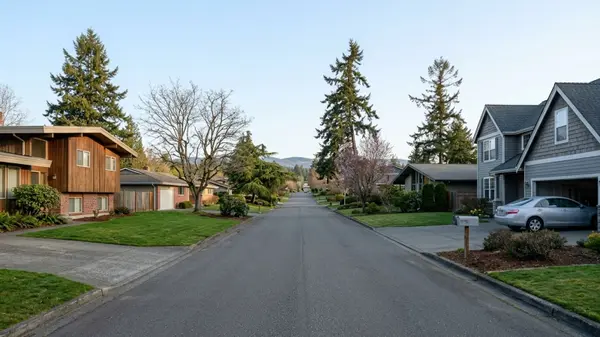
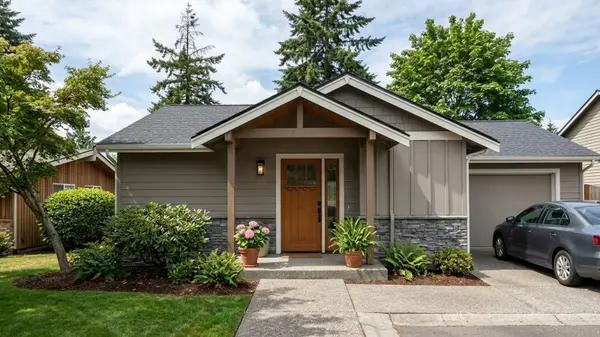
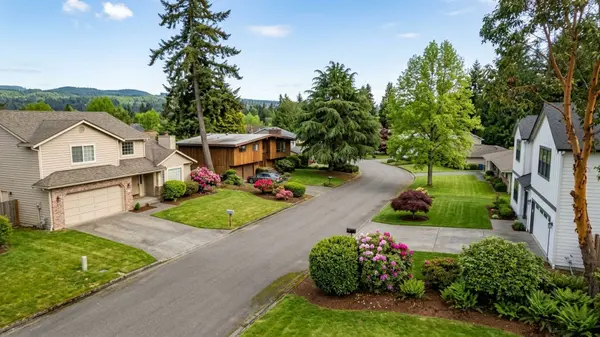
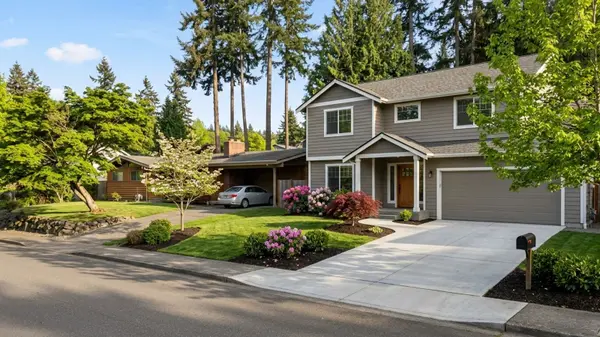
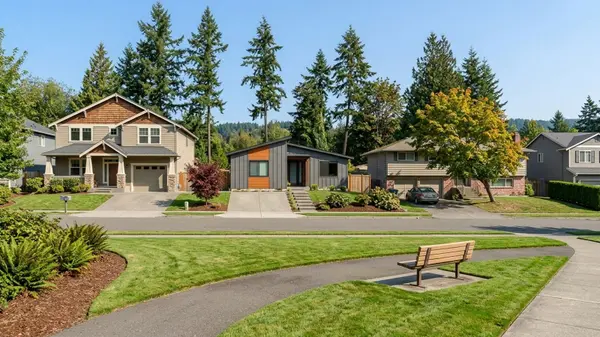
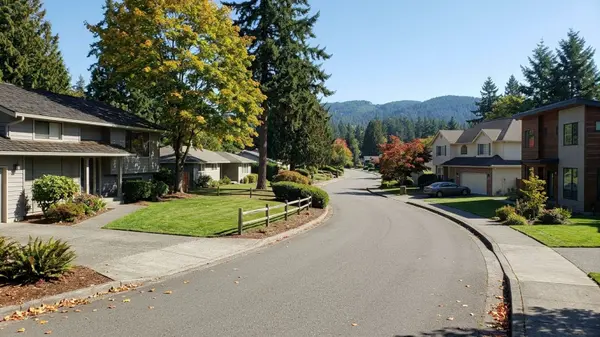
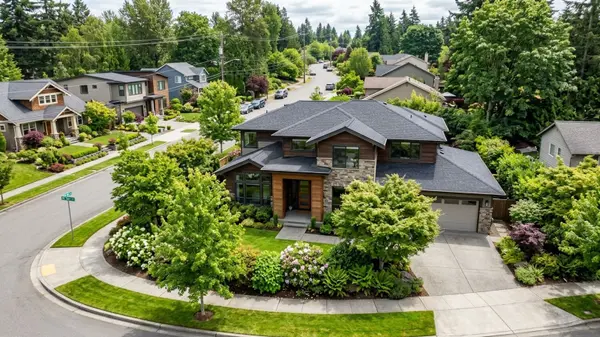
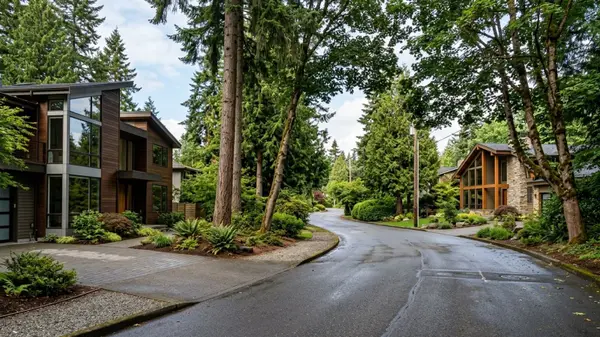
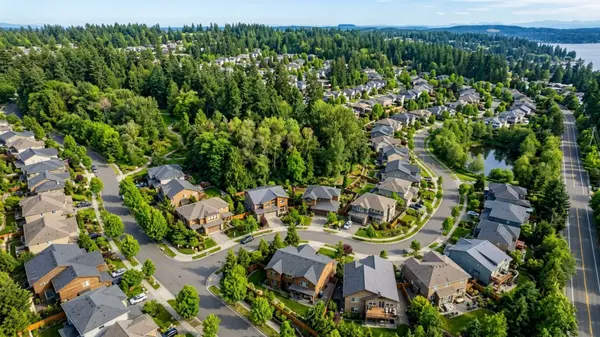
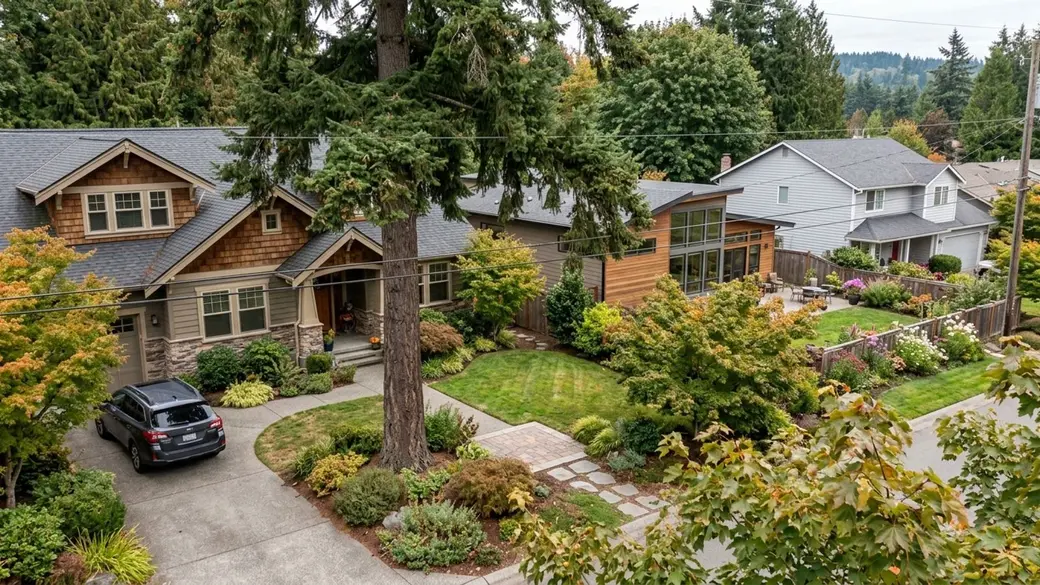
Redmond's housing stock genuinely runs the full spectrum. You've got high-rise apartments on one end and single-family homes on wooded lots on the other, with a lot in between.
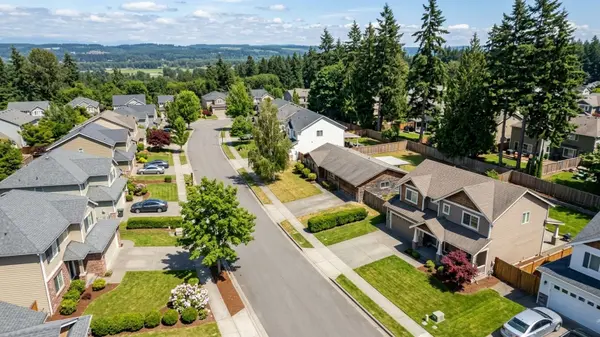
Education Hill is one of the oldest and most established residential areas, sitting just north of the downtown core. Overlake is the commercial and tech center - dominated by the Microsoft campus, surrounded by modern apartment buildings. Bear Creek, Southeast Redmond, and North Redmond offer more suburban layouts with larger lots. Redmond Ridge sits further east, with master-planned communities including Trilogy at Redmond Ridge.
Downtown Redmond Living
Downtown Redmond has turned into a dense, walkable district - mid-rise apartments, ground-floor retail, and real pedestrian infrastructure. If walking to a grocery store or catching transit without a car matters to you, downtown is worth a serious look.
The trade-off is square footage. You're mostly looking at condos and apartments here. Single-family homes are further out on the surrounding hillsides, and that's not going to change.
Daily Life: Dining, Shopping, and Scouting Trips
Downtown serves as the primary hub for dining and shopping. The restaurant range runs from casual cafes to upscale spots, and the mix of national retailers, local boutiques, and entertainment venues means most daily errands don't require a drive to Bellevue. That convenience is one of the things residents consistently value about being close to the core.
Planning a Scouting Trip
If you're coming out to look before committing, stay centrally. Several hotels sit in and near downtown Redmond, and booking in the 98052 ZIP code puts you close to the major transit routes and the downtown core. That positioning makes it practical to walk Education Hill and Overlake, and to test the morning commute to your actual office location - which will tell you more than any description will.
Frequently Asked Questions
How much more expensive is it to buy a home in Redmond, WA compared to the rest of the Seattle metro area?
Redmond is one of the more expensive markets on the Eastside, with a median sale price around $1,262,500. That's generally higher than the broader Seattle metro median, though it's comparable to neighboring tech hubs like Bellevue and Kirkland. Expect premium pricing for anything close to the Microsoft campus.
Should I move to Redmond, Bellevue, or Kirkland if I work in tech but want a quiet residential neighborhood?
It depends on your commute tolerance and budget. Redmond puts quiet suburban areas like Bear Creek and Education Hill right next to major tech offices. Kirkland offers more waterfront access, and Bellevue has a larger downtown, but all three have established residential neighborhoods. There's no wrong answer - it comes down to what you're optimizing for.
How does living near the Microsoft headquarters in Redmond affect daily traffic and local commute times?
The Microsoft campus in Overlake draws thousands of daily commuters, and that shows up on local arterial roads during rush hour. Living close to campus keeps your own commute manageable, but you'll still hit congestion when you're running errands. Traffic flows toward Overlake in the morning and away in the evening - pretty predictable once you know the pattern.
Which neighborhoods in Redmond, WA are zoned for the highest-rated Lake Washington School District schools?
Most of Redmond falls within the Lake Washington School District. Education Hill, North Redmond, and Redmond Ridge all feed into this district. Specific school assignments depend on your exact street address, so check the district's boundary map directly before making any assumptions.
What are the biggest downsides or hidden costs people discover after relocating to Redmond?
Housing cost is the most common shock. Renters frequently find that average apartment rates around $2,638 per month don't include parking or pet fees - those come separately. Buyers need to account for King County property taxes, which run between 0.79% and 1.03% in Redmond depending on ZIP code.
When is the most competitive time of year to buy a house or sign a lease in the Redmond housing market?
Spring and early summer bring the highest competition for housing. With a median time on market of 24 days, you don't have the luxury of deliberating for weeks during peak season. The rental market tightens in summer as well, when new tech hires are relocating to the area - if you can time your move outside that window, it helps.
Categories
Recent Posts