Buying or Renting in 55+ and Retirement Communities in Redmond, WA
The median sale price for a home in Redmond, WA sits around $1,262,500. If you're an older adult looking to downsize or shift into a retirement community, that number alone doesn't tell you much about the pros and cons of living in Redmond, WA - senior housing here comes in enough different forms that the general market figures can be misleading.
What actually matters is understanding how the different levels of care work, what kinds of properties exist, and what the community rules will mean for your day-to-day life. Whether you're drawn to an active adult neighborhood or considering assisted living, Redmond has several real options for buyers and renters 55 and older.
An Overview of Redmond's 55+ and Retirement Communities
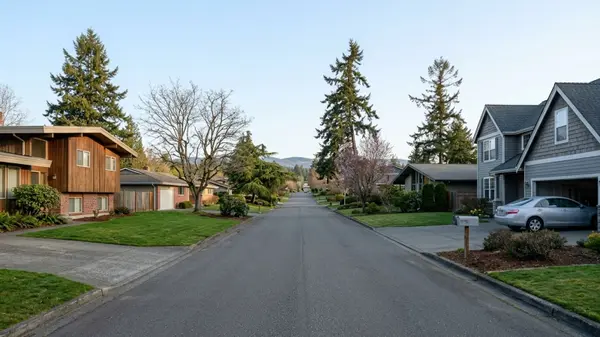
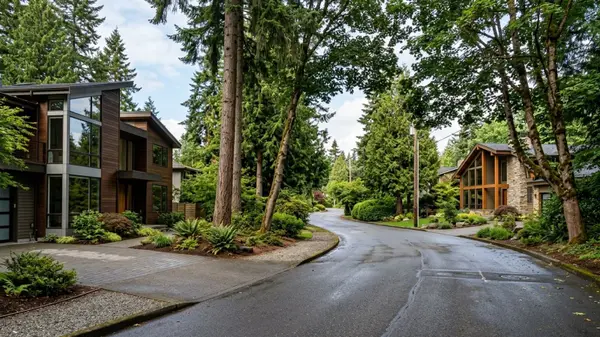
Redmond has ten official neighborhoods: Downtown, Overlake, Bear Creek, Sammamish Valley, Southeast Redmond, Willows/Rose Hill, Education Hill, Grass Lawn, Idylwood, and North Redmond. Downtown and Overlake are the urban centers; the rest are primarily residential. That distinction matters more than most people realize when they start shopping.
It means you can choose between walkable, transit-oriented apartments near Downtown and quieter, residential settings in North Redmond or Education Hill. Knowing which environment fits your daily routine will cut your search in half.
Housing Styles Available Locally
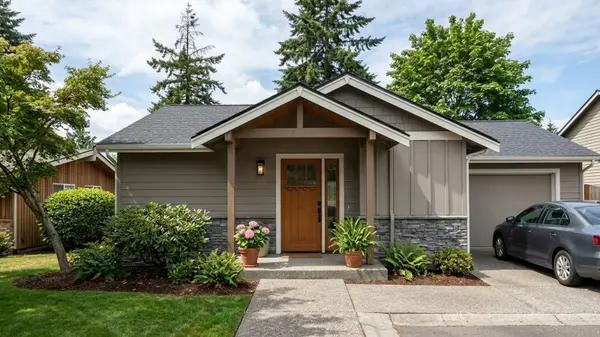
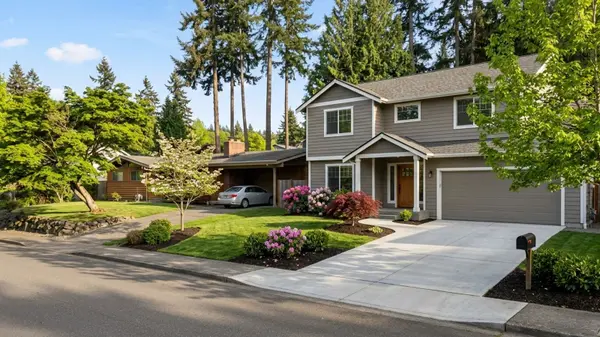
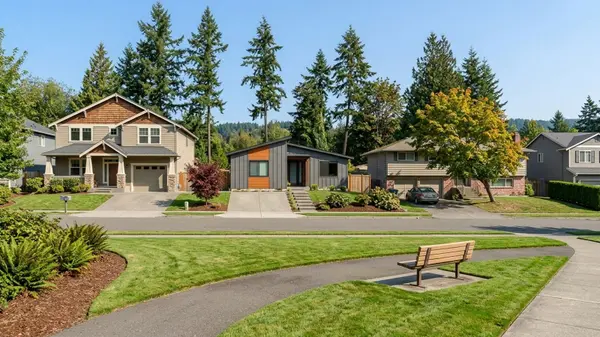
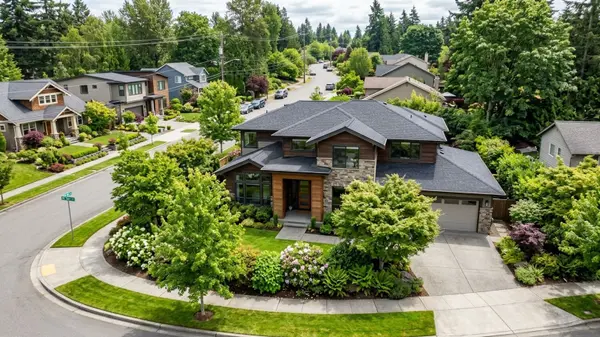
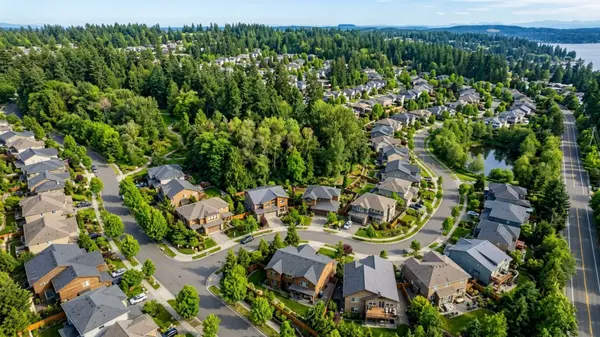
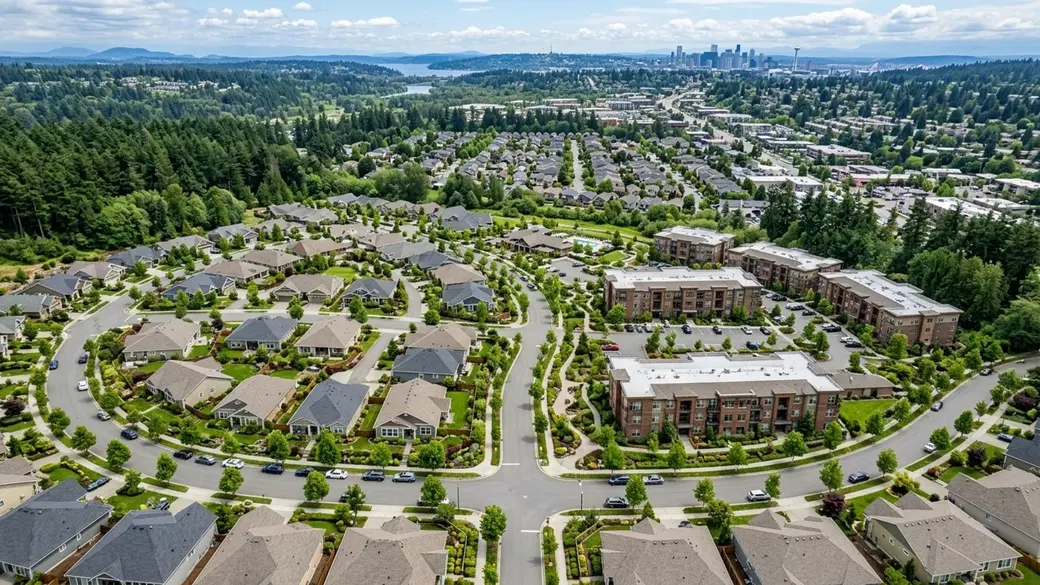
The local market runs the full range - standalone houses in age-restricted neighborhoods, large multi-level senior apartment buildings, and everything in between. Some buyers want a single-story layout and a low-maintenance yard. Others want shared amenities and don't want to think about exterior upkeep at all. Both are available here.
One thing worth knowing: available homes in Redmond currently spend a median of 24 days on the market. If you find the right place, you'll need to be ready to move on it.
Understanding the 80/20 Age Requirement
Most active adult neighborhoods operate under the Housing for Older Persons Act, commonly called HOPA. It allows communities to restrict occupancy based on age, as long as they meet specific legal thresholds.
The core rule is that at least 80% of occupied units must have at least one resident who is 55 or older. What happens with the remaining 20% is up to the community's management - that's where policies on younger spouses or adult children get determined, and it varies from one HOA to the next.
Different Levels of Care and Independence
Senior housing breaks into distinct categories based on how much medical and daily support is involved. Which tier is right for you depends entirely on your current health and what you reasonably expect down the road.
Moving from a traditional house into a specialized community also means deciding early whether you want a purely residential setup or one that wraps in meals, housekeeping, and medical support.
Active Adult and Independent Living
Active adult communities and independent living facilities are for people who don't need daily assistance. The focus is on lifestyle amenities, social activities, and not having to deal with maintenance. Residents manage their own schedules and personal care. Some independent living buildings offer optional meal plans or housekeeping for an added fee, but those are extras, not the baseline.
Assisted Living and Continuing Care
Assisted living steps in when you need help with things like bathing, medication management, or dressing. These facilities have round-the-clock staff and emergency response systems built in.
Continuing Care Retirement Communities - CCRCs - go further by putting independent living, assisted living, and skilled nursing on one campus. The appeal is that you can move between care levels as your needs change without relocating to a different facility entirely.
Senior Apartments and Mobile Home Options
Senior apartments carry an age restriction but otherwise function much like standard rental buildings. They're a practical entry point if you want to downsize without taking on a mortgage or a large entrance fee.
At a different price point, 55+ mobile home communities offer standalone living with a smaller footprint. These parks typically include shared clubhouses and organized resident events.
The Cost of 55+ Living in Redmond
Financial planning here means looking at rent, mortgages, entrance fees, and monthly dues together - not separately. Redmond's general real estate market is expensive, and senior housing costs track that local baseline.
Inventory is tight. With only 164 total homes on the market and homes frequently selling for about 98% of their list price, buyers aren't in a position to wait and see.
Monthly Rents and HOA Fees
The average rent for a senior apartment in Redmond, WA runs roughly $2,421 per month, with typical rates ranging from $1,963 to $3,517 depending on the building and amenities.
For buyers, HOA dues are an ongoing line item that doesn't go away. General King County HOA data shows a median monthly fee around $495, and condo-heavy areas in Redmond can easily exceed $400 a month.
Entrance Fees for Continuing Care
CCRCs require a substantial upfront entrance fee on top of monthly rent. In the Seattle area, those fees typically range from $200,000 to over $1 million, depending on unit size and the type of care contract. For context, the national average CCRC entrance fee is around $400,000. Before you sign anything, ask specifically whether any portion of that fee is refundable to your estate when you leave or pass away. It's a question people often forget to ask, and the answer varies considerably.
Medicare and Medicaid Coverage
Standard Medicare doesn't cover room and board in assisted living. Those costs come out of pocket or through long-term care insurance.
Washington's Medicaid program, Apple Health, does cover part of assisted living costs for eligible seniors through something called the COPES waiver. It helps pay for services, but the resident remains responsible for the facility's room-and-board charge. COPES is also a capped program, so waiting lists happen.
Evaluating Redmond for Retirement
Redmond's infrastructure gives you real options - urban convenience and quieter residential zones exist within the same city limits, and that's not always the case in markets this size.
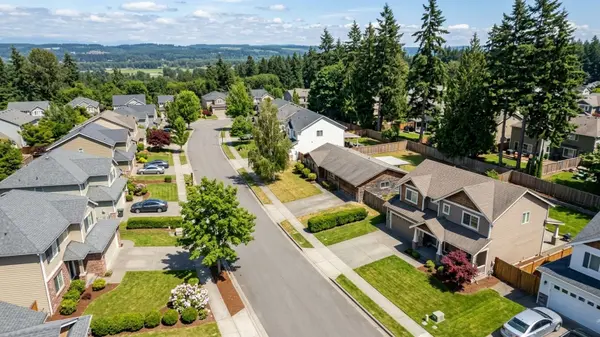
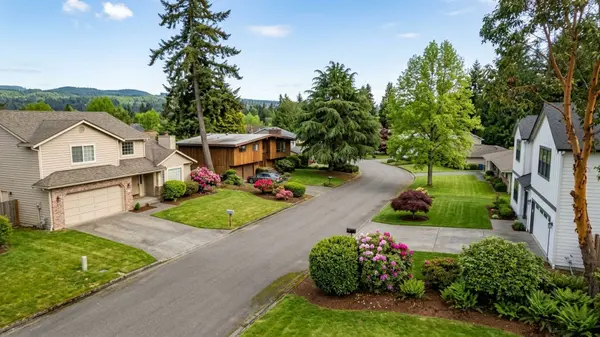
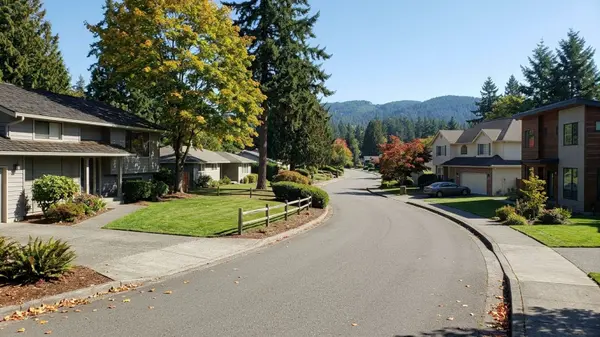
Downtown and Overlake are dense and walkable, with easy access to shops and transit. Grass Lawn and Idylwood feel more like traditional suburban neighborhoods, which suits people who want quieter streets and more space between them and their neighbors.
Neighborhood Layout and Transit
The ten official neighborhoods let you calibrate how much activity you want around you. The urban centers work well if you want to walk to grocery stores, cafes, and medical offices. The more residential areas - North Redmond and Sammamish Valley, specifically - will require a car or community shuttle for most daily errands. Many independent and assisted living facilities offer scheduled transportation for residents, so ask about that during any tour.
Accessing Healthcare and Amenities
Redmond's location on the Eastside puts you close to major regional hospital systems and specialized clinics without needing to cross into Seattle. That's a real practical advantage for older adults managing ongoing care. When you tour facilities, ask directly which hospitals they partner with and where they take residents in an emergency.
Weighing the Pros and Cons of Age-Restricted Housing
Moving into a 55+ or retirement community changes your daily environment in ways that aren't always obvious from a brochure. The conveniences are real, and so are the restrictions.
Understanding that trade-off before you commit is how you avoid buyer's remorse six months in.
Advantages of 55+ Neighborhoods
The main draw is an environment built specifically for older adults - single-level living, accessible bathrooms, minimal yard maintenance. You're not retrofitting a house that was designed for a different stage of life.
There's also the social piece. Isolation is a genuine problem for older adults, and these communities counter it with built-in peer groups, clubs, and organized activities that don't require you to go looking for them.
Potential Drawbacks to Consider
HOA rules in age-restricted communities can feel restrictive. Regulations often cover exterior home changes, pet ownership, and how long underage visitors can stay. If you have grandchildren who want to visit for weeks at a time, check the policy before you buy.
The ongoing costs also tend to move in one direction. HOA fees, rent, and care costs typically increase over time, so whatever the number is today, budget for it to be higher in five years.
Alternatives for Limited Budgets
Affordable senior apartments offer age-restricted living at a lower monthly rate - a real option for seniors who can't absorb the cost of private assisted living or a luxury 55+ community.
Aging in place is another path worth considering. Home modifications combined with community-based services and in-home care allow a lot of older adults to stay in their current homes as their needs evolve.
Touring and Selecting a Property
You have to visit in person. Photos and brochures are marketing materials, and they tell you almost nothing about what it actually feels like to live somewhere.
Plan to tour several facilities so you have something to compare. Go in with questions, pay attention to how staff interact with residents, and notice whether the place is clean - not in a staged way, but on a Tuesday afternoon.
Questions to Ask During Your Visit
Get an exact breakdown of monthly fees and what's included. Ask specifically whether utilities, internet, meals, and transportation are covered or billed separately. Those line items add up quickly if they're not in the base rate.
Ask about the emergency protocol - who responds, and how does staffing look on nights and weekends? For CCRCs, ask for a clear explanation of how and when a resident transitions between care levels. That process should be documented and transparent.
Vetting the Property and Management
Pull the community's state inspection reports and look for any history of citations, particularly for assisted living and skilled nursing facilities. That's public information, and it gives you a factual basis for comparison that you won't get from a sales tour.
Talk to residents directly while you're there. They'll tell you things about food quality, maintenance response times, and how management handles problems that no brochure will ever mention.
Frequently Asked Questions About Redmond Retirement Communities
Are there hidden buy-in fees or high monthly HOA dues when purchasing in a Redmond 55+ community?
Yes. Plan on monthly HOA dues as part of your budget. General King County HOA data shows a median monthly fee of about $495, and condo-heavy areas in Redmond sometimes exceed $400 per month.
Can adult children or a younger spouse live with me in a Redmond, WA age-restricted neighborhood?
It depends on the specific community's rules under the 80/20 requirement. The law requires 80% of units to have a resident 55 or older, but individual HOAs set their own policies on whether the remaining 20% can include younger spouses or adult children. Ask before you make an offer.
Which 55+ communities in Redmond offer the easiest access to major medical facilities and downtown transit?
Properties in the Downtown and Overlake neighborhoods offer the most walkable, transit-oriented environments. Those two areas are Redmond's urban centers, which puts them closest to commercial amenities and medical offices.
How do active adult communities in Redmond compare in home prices and amenities to nearby options in Kirkland or Woodinville?
Redmond's general real estate market carries a premium, with a median sale price around $1,262,500. Active adult homes here will reflect that baseline, and buyers should expect pricing to be on the higher end relative to some surrounding areas.
Am I allowed to rent out my retirement community home in Redmond, WA if my living situation or health changes?
That depends entirely on the community's HOA bylaws. Many 55+ communities restrict or prohibit rentals in order to maintain owner-occupancy rates and stay in compliance with age-restriction laws. Read the bylaws carefully before you buy.
How long are the typical waitlists or home-finding timelines for the most popular independent living neighborhoods in Redmond?
Inventory is genuinely limited - only about 164 total homes on the Redmond market recently. The homes that do come up sell fast, spending a median of just 24 days on the market. If timing matters to you, don't wait until you're ready to move to start looking.
Categories
Recent Posts